Interview Prep
6 minute read
5 minute read
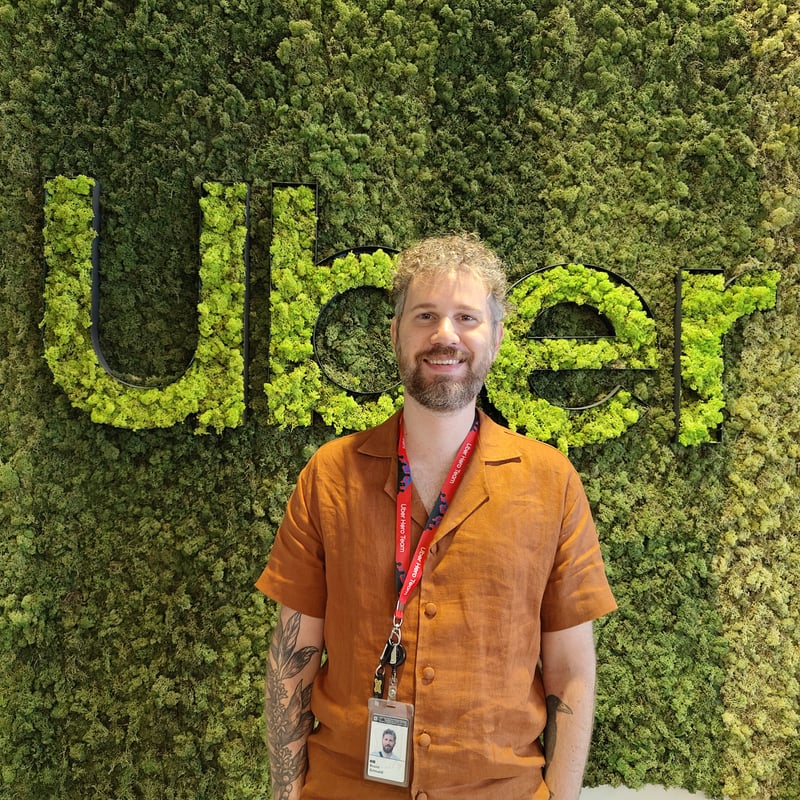
With more than 15 years of experience across tech in Brazil, this Product Manager has built a career spanning Operations, Science, Product, Marketing, and Sales. Now, Bruno shares what it takes to build products at global scale, navigate complexity, and create solutions that serve users globally.
“The world is a fractal! Many of our cultural values are about navigating this scale and diversity: having an eye for detail while also seeing the big picture.”
“I’ve been working in tech and startups for more than 15 years, and I’ve worn many different hats across Operations, Science, Product, Marketing, and Sales. I live in São Paulo, but I’m often traveling around Brazil. I love being Brazilian and enjoy exploring different cities, cultures, and landscapes. What else? I’m an avid gamer, a cat dad, and I recently started jiu-jitsu.”
“This is actually my second time at Uber. I’m what we call a ‘boomerang.’ The first time around, I worked in Operations, helping launch and grow Uber across Brazil’s North and Northeast regions. I then moved into a country-wide role, helping our operations adapt to new regulations, before taking on a LatAm-wide role implementing governance for experimentation across marketplace, pricing, and incentives. After a four-year hiatus, I returned to Uber as a Product Manager in the Safety organization, working on personal safety tools like Share Trip, RideCheck, and the Emergency Button, as well as products designed for safety-critical segments and use cases, including guest rides and experiences for women.”
“Working as a PM in Safety tech requires a lot of care and intentionality. We want to build tools that genuinely help users when things don’t go according to plan, while also being careful not to misrepresent or overpromise what those tools can do. There can be a tendency in tech to present a hypothesis as fact while building toward a broader product vision, but in Safety, we need to be especially thoughtful about what we know and what we don’t. Safety incidents are exceedingly rare on the platform, so it can take time to develop confidence in the practical effectiveness of the tools we build. That means we have to be especially principled about what we build and how we communicate it.”
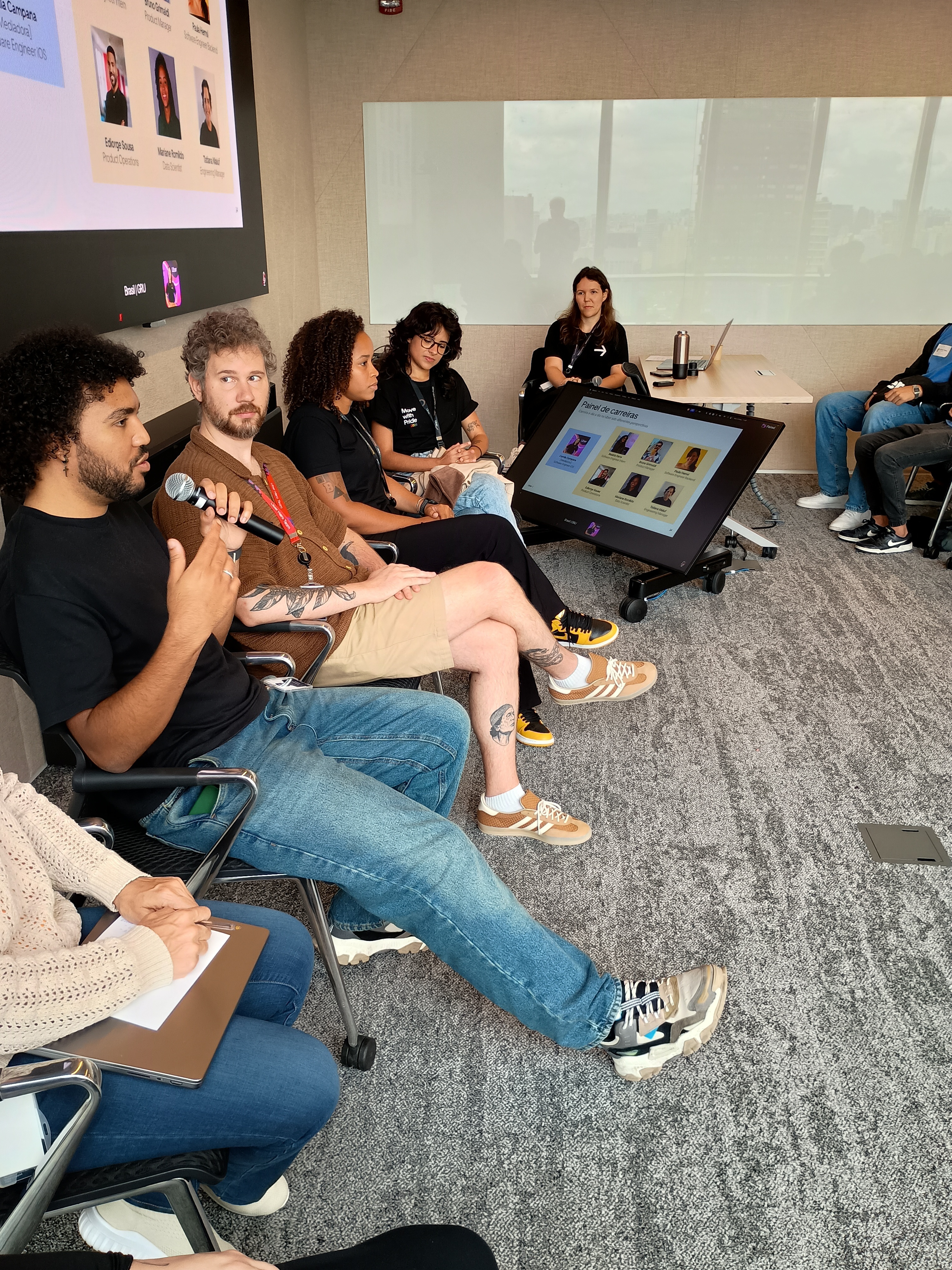
“The world is a fractal! In fact, many of our cultural values are about navigating this scale and diversity: having an eye for detail while also seeing the big picture, building global products while accounting for regional nuance, or, conversely, building regional solutions that can evolve into global improvements. The best way to navigate that scale and diversity is to get feedback early, often, and from as many perspectives as possible, including Territory, Operations, Design, Accessibility, other Product teams, and more. There’s an art to seeking that much feedback without becoming paralyzed by it, and while that’s one of the key challenges of being a Product person at Uber, the dialogue and critique are incredibly stimulating. I feel like I’m constantly learning new things and rewiring my brain.”
“There’s actually very little in common between different PM roles. We may all write PRDs and oversee some similar parts of the product development process, but PMs are specialist-generalists, and what each PM specializes in can vary widely. Some are highly technical, some have a strong business sense, some think almost like designers, and so on. Product Management in tech allows for a lot of self-expression and personal development.”

“Much like building for global scale, working at Uber helps you develop the instinct to ask: ‘This solution for drivers, could it also apply to couriers? Or even riders?’ The earlier you ask those questions, the better. If you can identify a general problem, that’s better than generalizing a solution to a specific problem, which is better than generalizing the design and implementation of a specific solution. It pays dividends to ask early on: how can this, or something like this, benefit more of our users?”
“Communicate early and often! We’re globally distributed and highly specialized, so we need to get news and discussions in front of the people who can make a difference in our projects, and we need to hear from them as early as possible.”
“The problems we work on at Uber are real, both in the sense that they impact people’s lives and in the sense that many of the easy problems have already been solved. What remains are often the hard, incremental problems that require thoughtful trade-offs and persistence. It’s a challenging and stimulating environment, with some of the sharpest people you’ll ever meet and a culture that stays focused on the concrete, on-the-ground experiences of our users.”