Life at Uber

6 minute read

8 minute read
Since joining Uber Japan, Mizuho has grown alongside a business that never stands still. From building hiring processes to leading new recruiting initiatives and exploring her next move through Uber’s Short-Term Assignment program, she shares how embracing change has shaped her career.
"Uber gives you the trust to take on something you’ve never done before, while connecting you with people around the world who can help you figure it out.”
When the business around you is constantly evolving, staying comfortable is not really an option. For Mizuho, a Talent Acquisition Partner supporting Uber’s APAC Delivery business, that pace of change has become one of the most valuable parts of building her career at Uber.
Uber continues to evolve quickly, creating new businesses, new teams, and new challenges along the way. We spoke with Mizuho about the five years she has spent growing alongside Uber Japan, from joining when Uber and Uber Eats Japan had around 120 full-time employees to building new recruiting processes, leading projects outside her previous experience, and exploring what she wants to learn next.
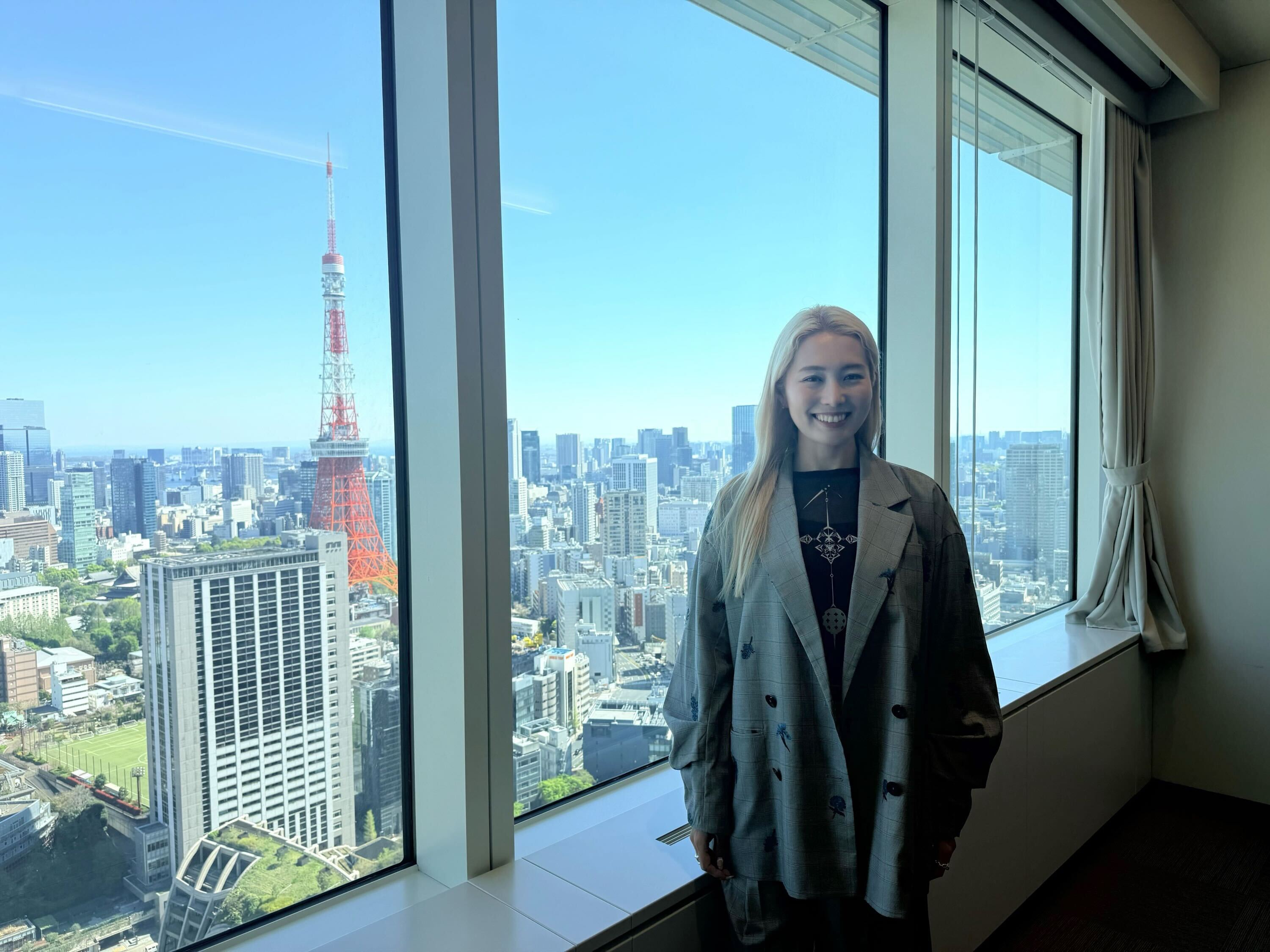
Can you start by telling us a little about yourself and your role at Uber?
“Hello! I currently work in Talent Acquisition for the APAC Delivery business, primarily supporting hiring across Uber Eats, Uber Direct, Grocery & Retail, and Uber Advertising. I joined Uber about five years ago, when Uber and Uber Eats Japan had around 120 full-time employees, and since then I’ve had the opportunity to support the business as it has grown significantly and expanded into new areas.
Before Uber, my career took a few different turns. I worked on a business launch and in HR within the apparel industry, then took a gap year and spent about a year backpacking around the world. After returning to Japan, I joined a British recruiting agency before eventually coming to Uber. Alongside my Talent Acquisition role, I also serve as the Japan Lead for our Pride Employee Resource Group, or ERG, and lead projects across a number of different initiatives. I’ve always enjoyed trying new things, and Uber has given me plenty of opportunities to do that.”
Uber is a fast-moving environment where learning often happens through experience. What skills have you developed on the job, and how do you use them to solve problems?
“Uber changes constantly, so I’ve found that both technical and soft skills are essential. Two skills in particular have become especially important for me:
Project management and process building: As the company has grown and launched businesses such as Uber Direct and Uber Advertising, Talent Acquisition could not simply continue hiring in the same way. We needed to define what we were looking for, build interview processes, identify the right stakeholders, and coordinate with local and global teams. There are often many moving pieces, so a big part of the job is taking something complicated and turning it into a clear plan: who needs to do what, and by when?
Positive communication and prioritization: Instead of stopping at, ‘We can’t do this right now,’ I try to ask, ‘What would need to happen for us to make this possible?’ At the same time, moving quickly does not mean treating everything as urgent. Sometimes the most useful question is, ‘Is this actually the highest-priority thing we need to solve right now?’
Those skills help me stay focused, keep projects moving, and approach change in a more constructive way.”
How has Uber’s feedback culture contributed to your growth?
“I ask for feedback every time I finish a project. Even when I feel like I gave 120% and everything went well, there is always something I can learn or improve for the next time. What I appreciate about Uber is that feedback is part of how we work with one another. People share it directly, but there are also ways to formally document feedback so that the contributions someone makes across projects and teams can be recognized over time.
For me, feedback is valuable in two ways:
It helps me grow. Even positive feedback can reveal something I should continue developing or give me a new perspective on how I work.
It helps make impact visible. Feedback from people I’ve worked with gives managers a broader picture of my strengths and contributions, which can be helpful when thinking about future development and career opportunities.
That combination makes feedback feel useful, not like something that only happens during a formal review.”
Can you share a moment when you felt Uber supported you in taking on a new challenge?
“One of the things I value most about Uber is that people are often trusted to take the lead on something even if they have never done it before. A good example was when Uber Japan began an initiative focused on hiring people with disabilities. I raised my hand to lead the project, even though I had no previous experience in this area and it was something we had never done before in Japan.
At another company, the response might have been, ‘We should find someone who has done this before.’ Instead, the reaction here was closer to, ‘Why don’t you give it a try?’
That trust was exciting, but it did not mean I was expected to figure everything out alone. Teams in India and Brazil had already been working on similar recruiting initiatives for years, so I was able to learn from their experience. They shared:
challenges they had faced
lessons they had learned along the way
things they wished they had known earlier
training and guidance from global specialists
Through that experience, I started thinking differently about the recruiter’s role. Traditionally, recruiting can feel like it ends when someone joins the company, but the knowledge our global teams shared helped me understand how important the experience after joining can be as well. With support from my manager and our General Manager, I was able to secure budget and put training and follow-up sessions in place.
That combination is something I think Uber does especially well: you can be trusted with a challenge you have never taken on before, while still having access to colleagues around the world who are willing to share what they know.”
Looking ahead, what would you like to learn next, and how can Uber help you get there?
“For the past five years, most of my work at Uber has been connected to recruiting. If I were looking externally for my next job, the most obvious next step would probably be another recruiting role, but I don’t necessarily want my career to be limited to what I already know how to do.
One opportunity I’m interested in is Uber’s Short-Term Assignment, or STA, program. Through an STA, employees can spend three to six months dedicating 100% of their time to another team and gaining hands-on experience in a different area of the business.
What appeals to me is the chance to:
step into a completely different function
learn through real projects and day-to-day work
build skills outside of Talent Acquisition
explore a potential career move before making a longer-term transition
For example, if I wanted to explore Strategic Planning, an STA could give me the chance to actually join that team, work on its projects, and learn through experience rather than only observing from the outside. That kind of opportunity is exciting to me because it creates a way to build an entirely new skill set without having to leave Uber or wait until you already have years of experience in another field.
Looking ahead, I’d like to use the STA program to step outside of Talent Acquisition, challenge myself in a different area, and see what new skills I can develop.”
Mizuho joined Uber Japan when the organization was much smaller, but the constant throughout her experience has been change. New businesses have launched, teams have grown, and the problems she has been asked to solve have continued to evolve.
Rather than waiting until she feels completely prepared, she has learned to raise her hand, ask questions, and build the skills she needs along the way. Sometimes that has meant creating a recruiting process from scratch. Sometimes it has meant learning from colleagues in another country. And next, it may mean spending several months in a completely different function.
At Uber, growth does not have to mean doing more of what you already know. It can also mean giving yourself permission to try something new.
Employee Resource Groups, or ERGs, are employee-led communities that bring together people with shared backgrounds or experiences, as well as allies. Uber’s Pride ERG brings together LGBTQIA+ employees and allies and helps foster an inclusive environment where employees can feel supported and bring more of themselves to work.
The community contributes to Uber’s culture through internal events, networking, education and awareness initiatives, and opportunities to give back to the community.